Discover the Hidden Gem: Exploring the Beauty of Lake Nakuru National Park
Welcome to Lake Nakuru National Park, a hidden gem waiting to be discovered. Nestled in the heart of Kenya, this breathtaking park is a haven for nature lovers and a paradise for wildlife enthusiasts. With its stunning landscapes, diverse ecosystems, and abundant wildlife, Lake Nakuru National Park offers visitors a truly unforgettable experience.
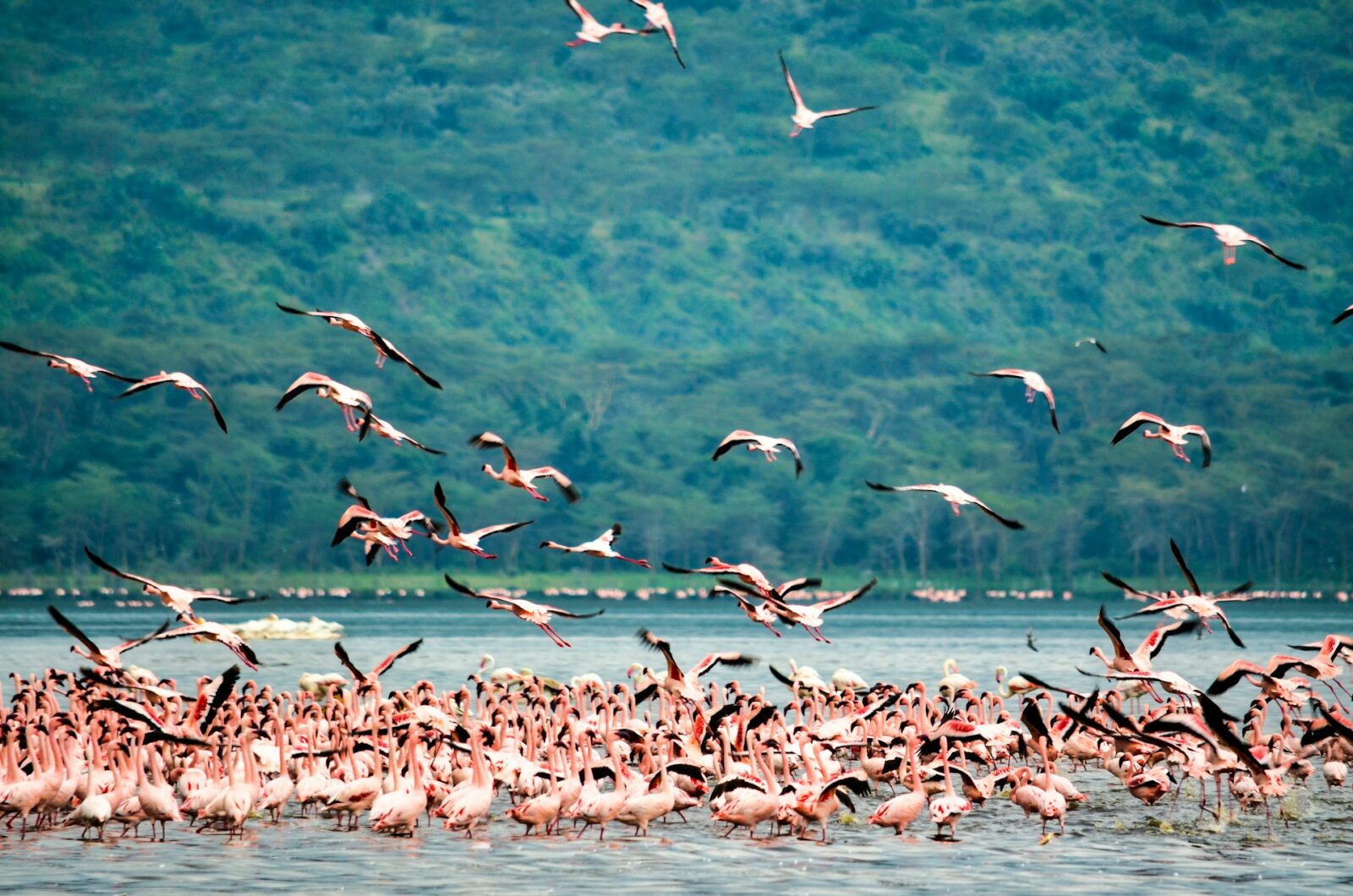
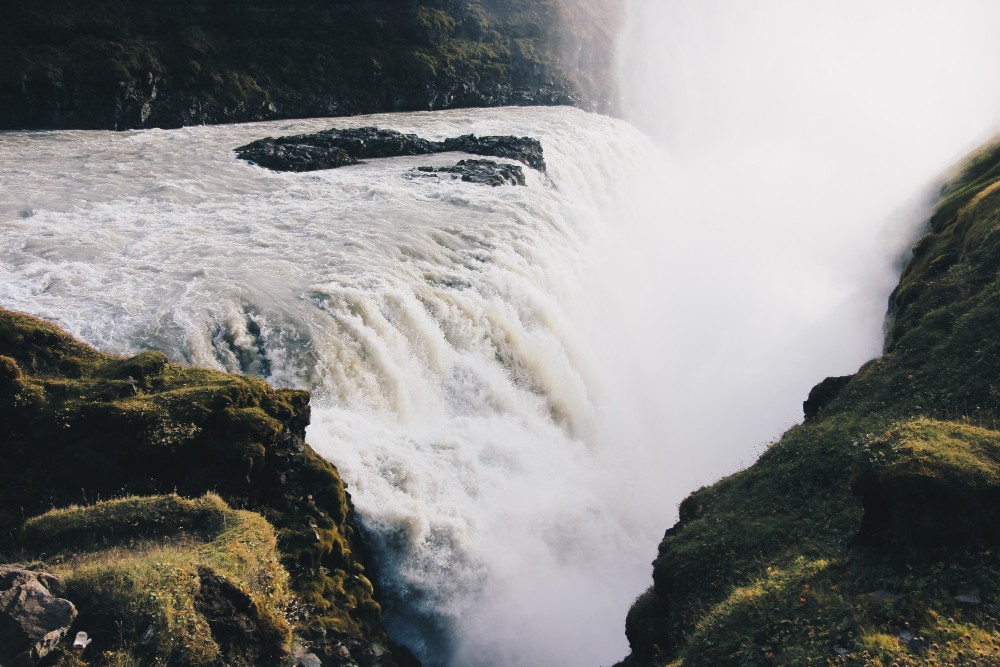
Immerse yourself in the park's natural beauty as you explore its lush forests, towering cliffs, and cascading waterfalls. Marvel at the brilliant pink hues of the flamingos that gather along the shores of Lake Nakuru, creating a mesmerizing sight that captures the imagination.
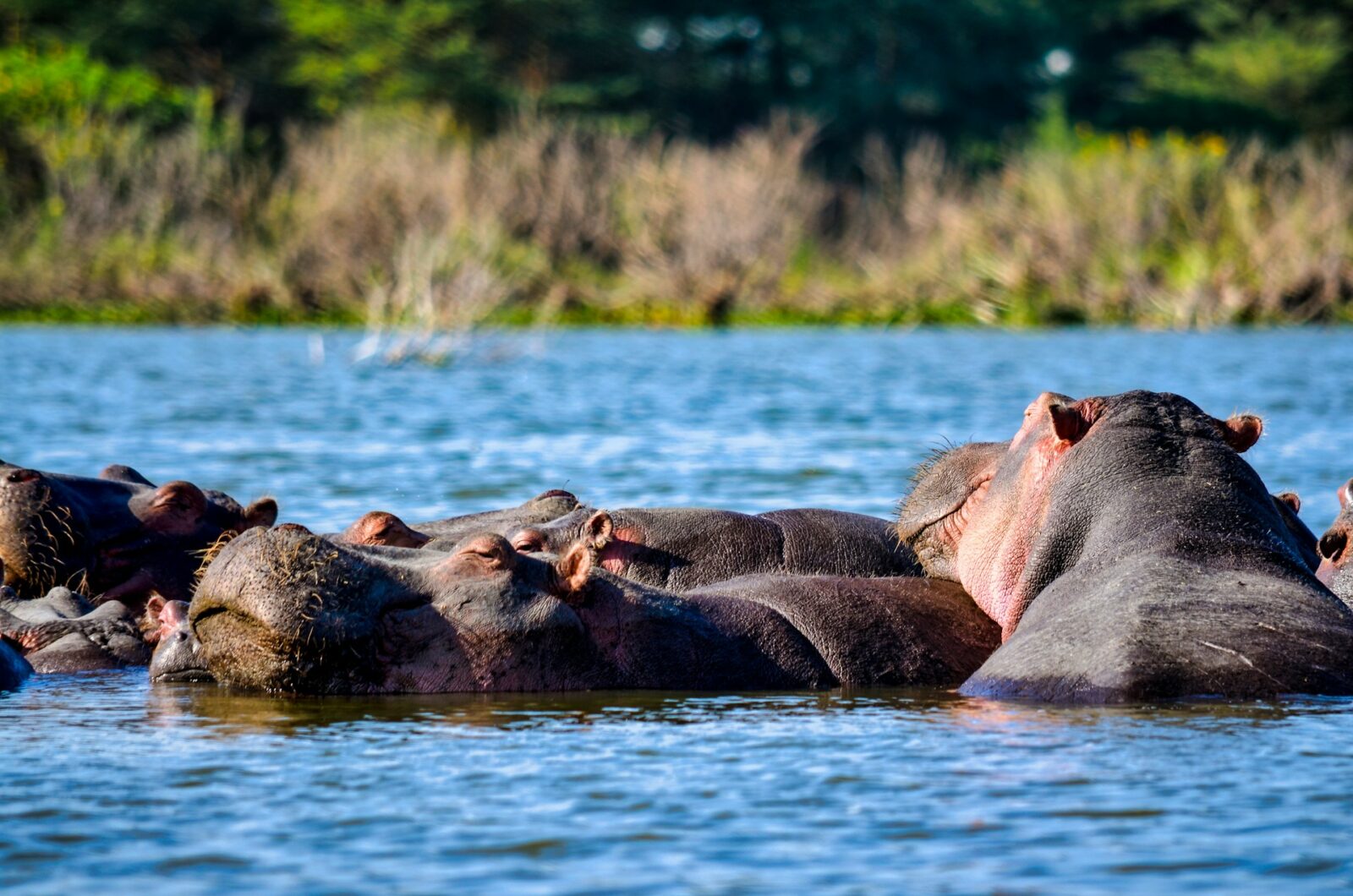
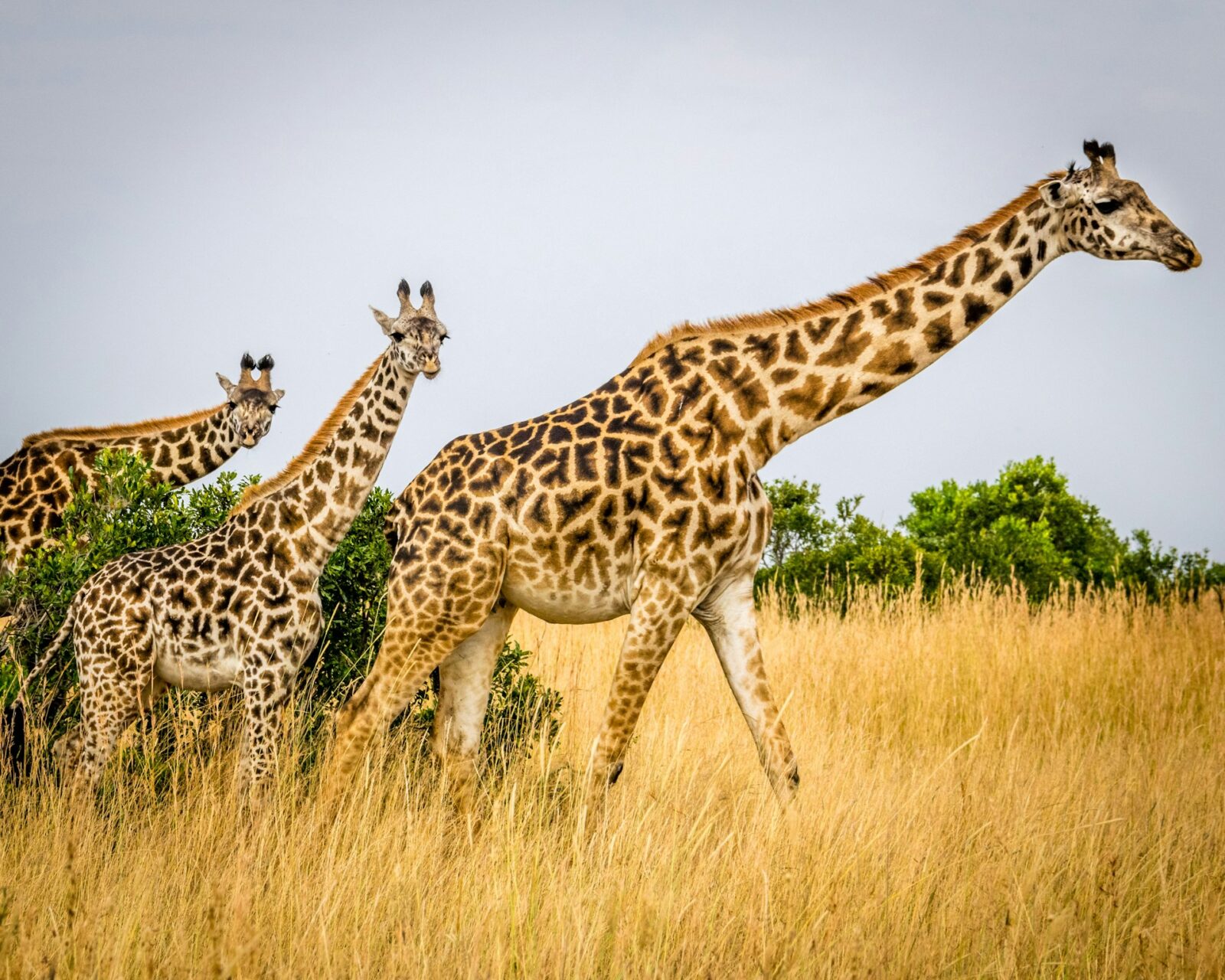
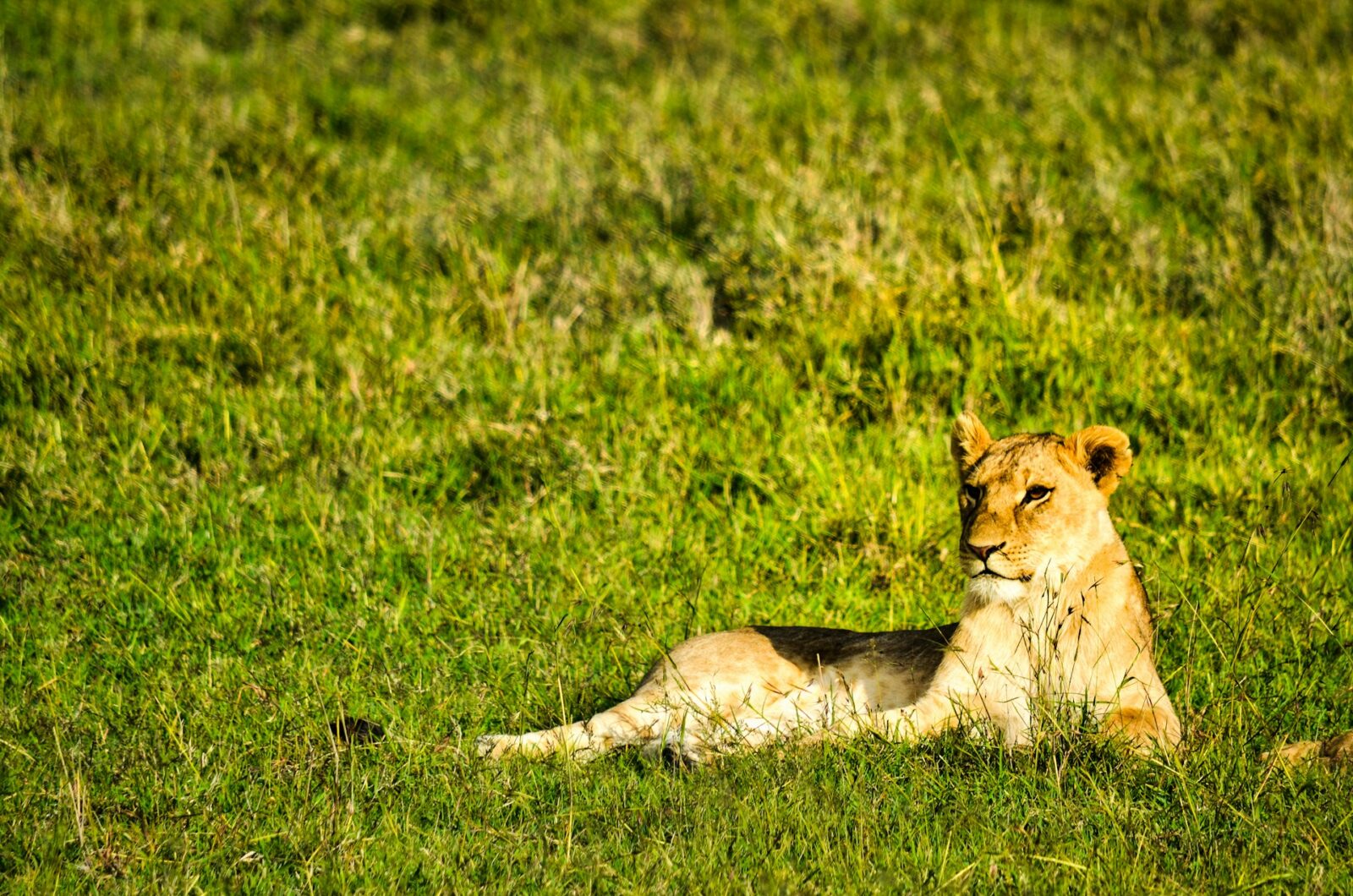
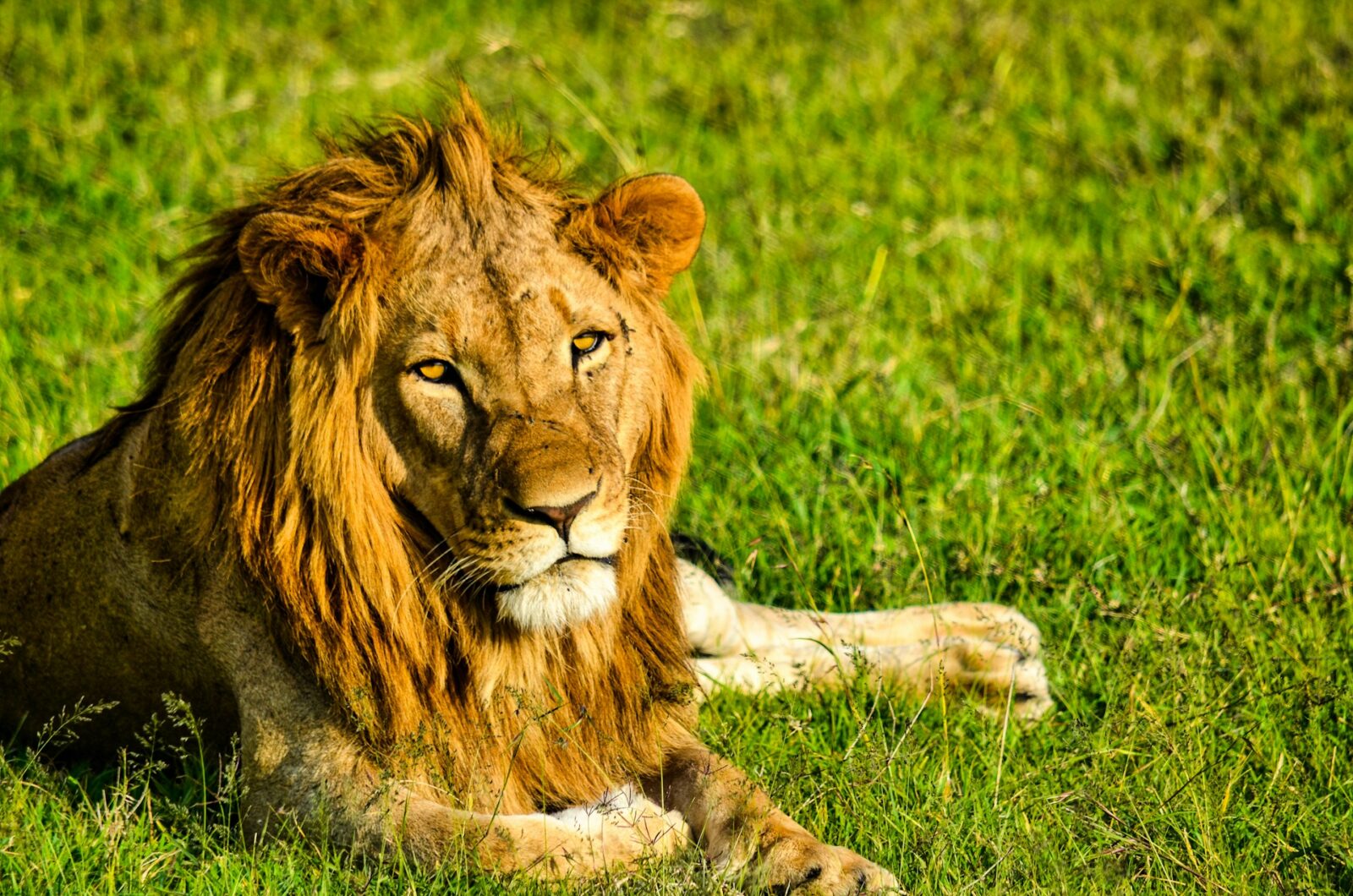
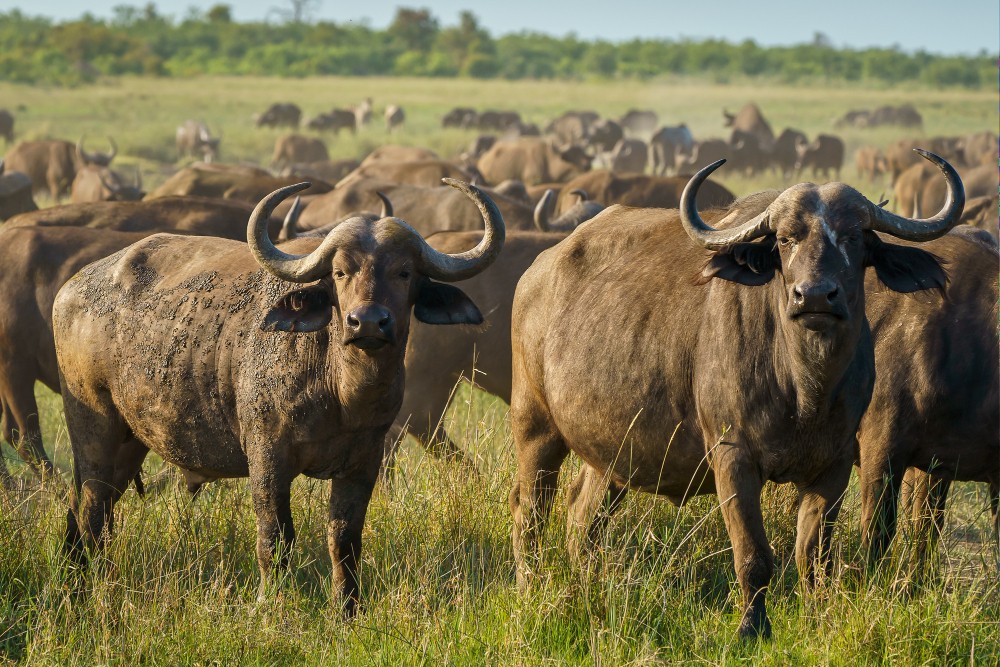
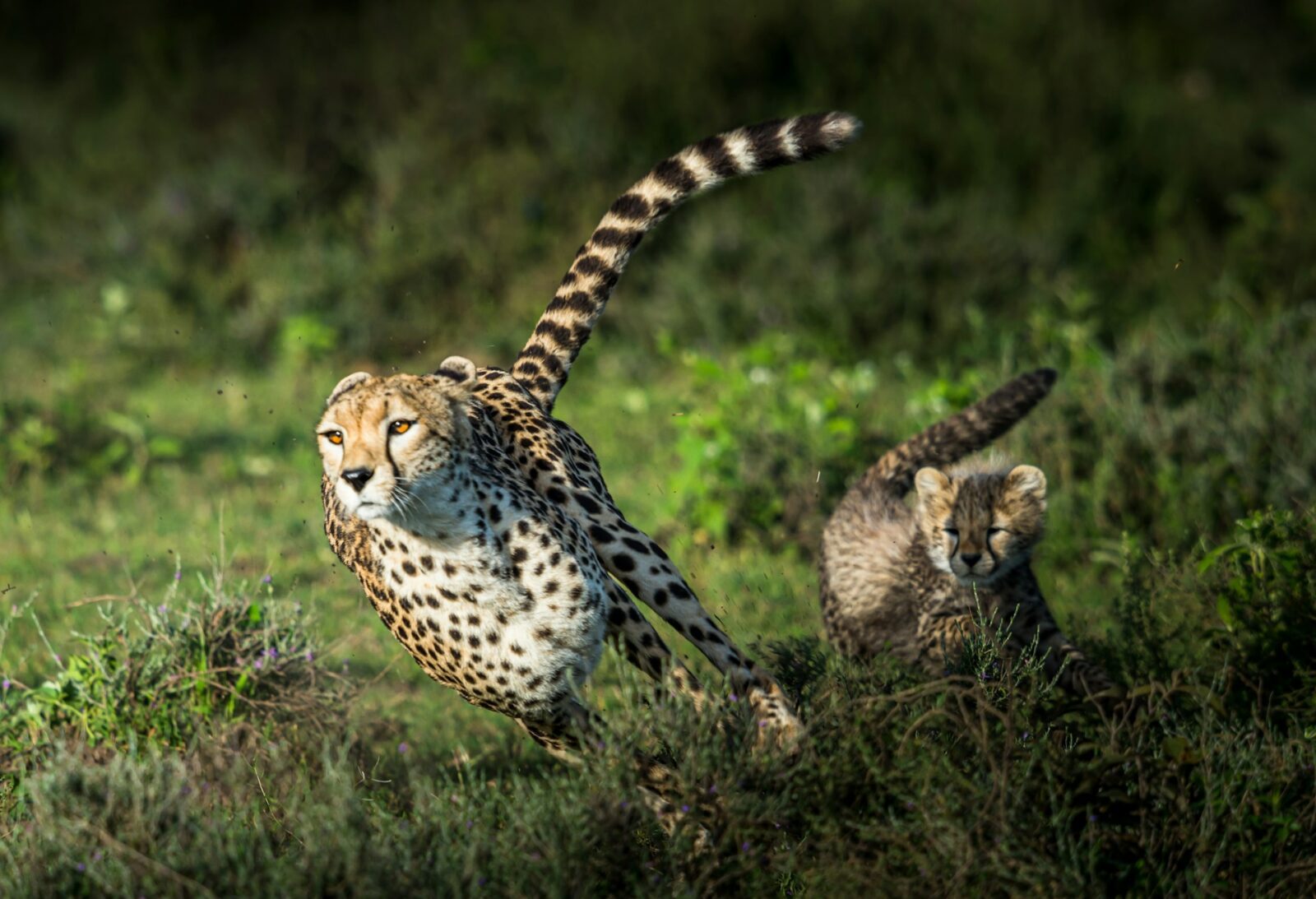
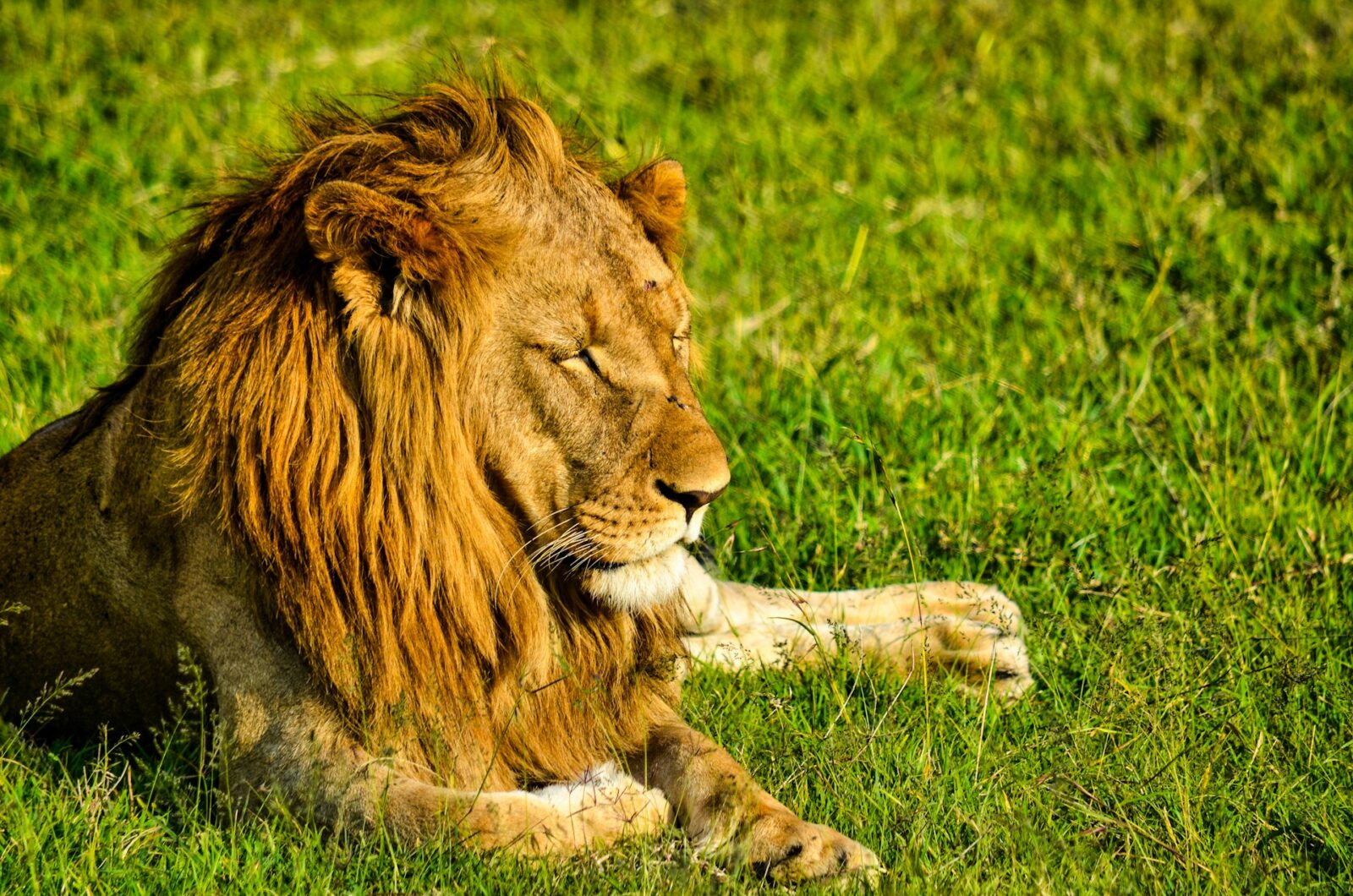
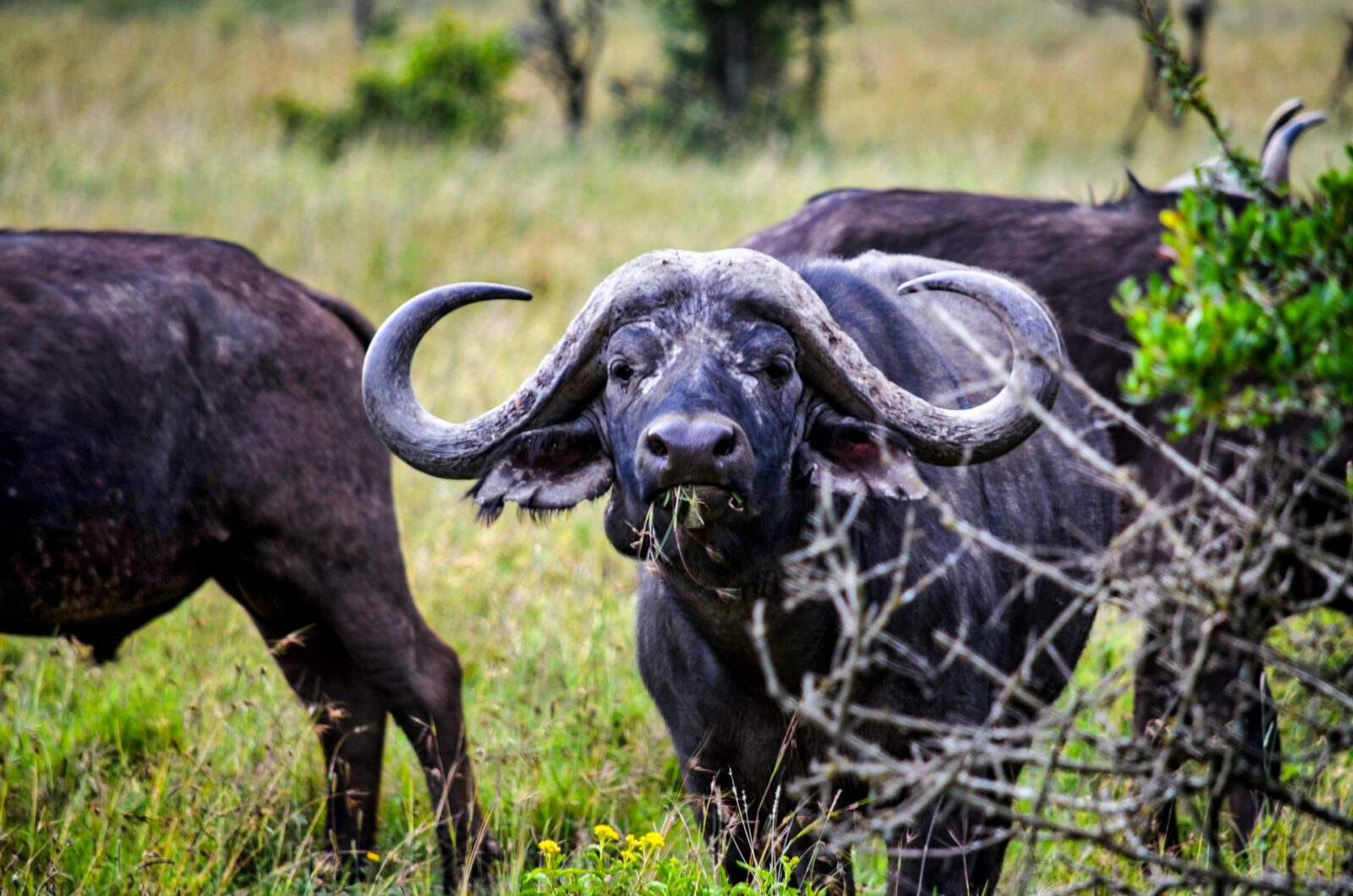
But Lake Nakuru National Park is not just about flamingos. It is also home to a wide array of other wildlife, including rhinos, lions, buffalos, and giraffes. Embark on a thrilling safari adventure and witness these majestic creatures in their natural habitat.
Whether you're a passionate wildlife photographer, an avid birdwatcher, or simply seeking a unique and memorable experience, Lake Nakuru National Park has something to offer everyone. So pack your bags, prepare your camera, and get ready to discover the hidden beauty of Lake Nakuru National Park.
Location and Geographical Features of the Park
Lake Nakuru National Park is situated in the Rift Valley of Kenya, approximately 156 kilometers northwest of Nairobi, the country's capital. This stunning park encompasses an area of about 188 square kilometers, making it relatively small compared to other national parks in Kenya, yet it is rich in biodiversity and unique geographical features. The park is easily accessible via the Nairobi-Nakuru highway, allowing travelers to experience its beauty with just a few hours of driving. Its proximity to the bustling city of Nakuru makes it a popular destination for both local and international tourists seeking a quick escape into nature.
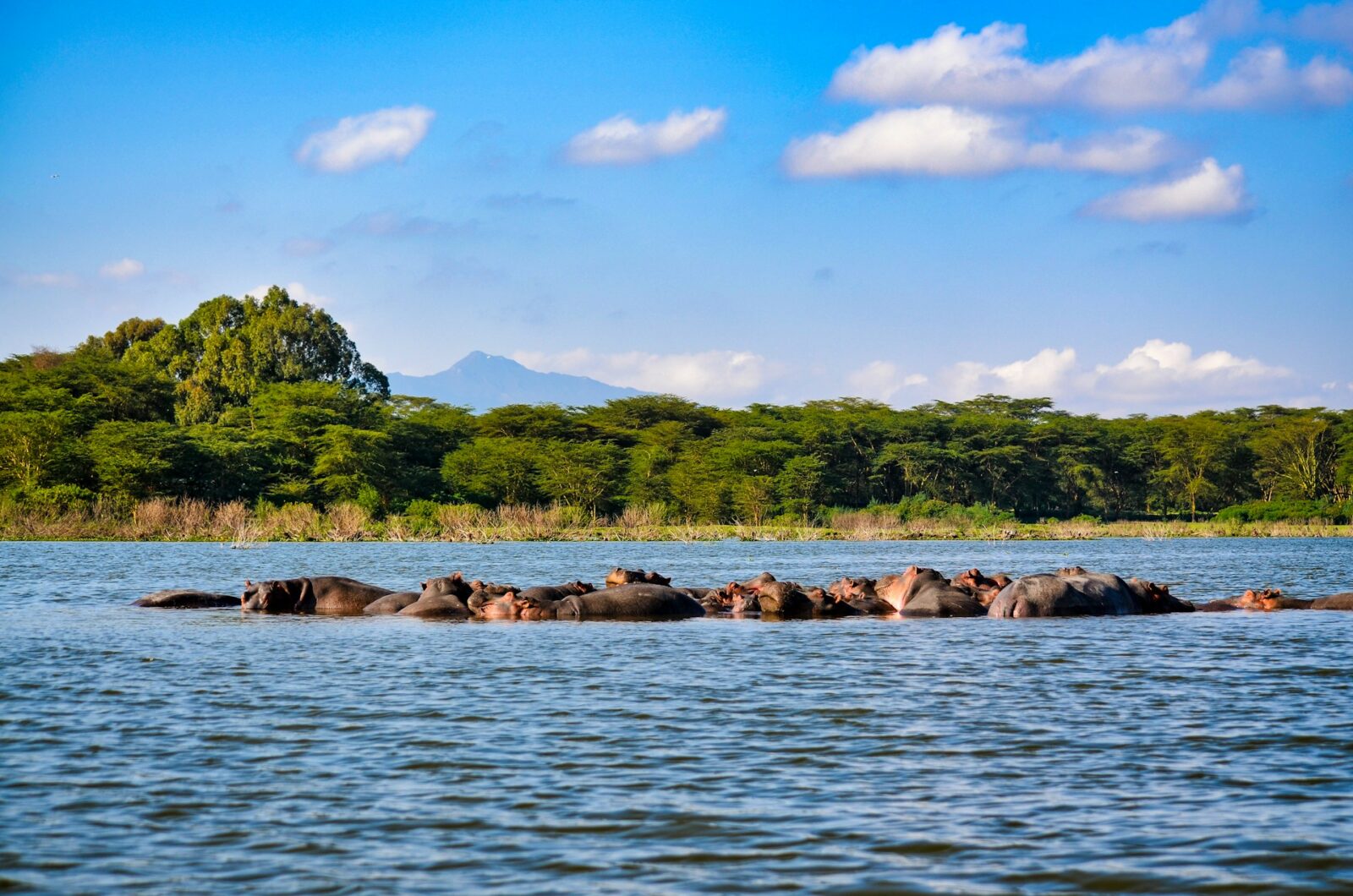
The park is characterized by a diverse landscape that includes the alkaline Lake Nakuru, which is the centerpiece of the park. The lake is surrounded by rocky cliffs, lush woodlands, and sprawling grasslands, offering a stunning contrast to the shimmering waters. The surrounding hills provide panoramic views of the lake and the surrounding savannah, creating a picturesque backdrop for photography and wildlife viewing. Additionally, the park's elevation of about 1,754 meters above sea level contributes to its unique climate, which varies from cool and humid in the highlands to warmer and drier in the lower areas.
One of the most distinctive features of Lake Nakuru National Park is its rich volcanic soil, which supports a variety of plant species. The park's varied topography ranges from low-lying wetlands to steep escarpments, providing different habitats for wildlife. The combination of the lake's alkaline waters and the surrounding vegetation forms a unique ecosystem that attracts a plethora of birds and animals. This remarkable geographical diversity not only enhances the park's beauty but also plays a significant role in maintaining the delicate balance of its ecological systems.
Flora and Fauna of Lake Nakuru National Park
Lake Nakuru National Park boasts a rich tapestry of flora and fauna, making it a paradise for nature enthusiasts. The park is home to over 450 species of birds, a number of which are endemic to the region. The diverse habitats within the park, including woodlands, grasslands, and wetlands, support a wide range of plant species, such as acacia trees, euphorbias, and various grasses. The lush vegetation not only adds to the park's aesthetic appeal but also provides essential food and shelter for the diverse wildlife that inhabits the area.
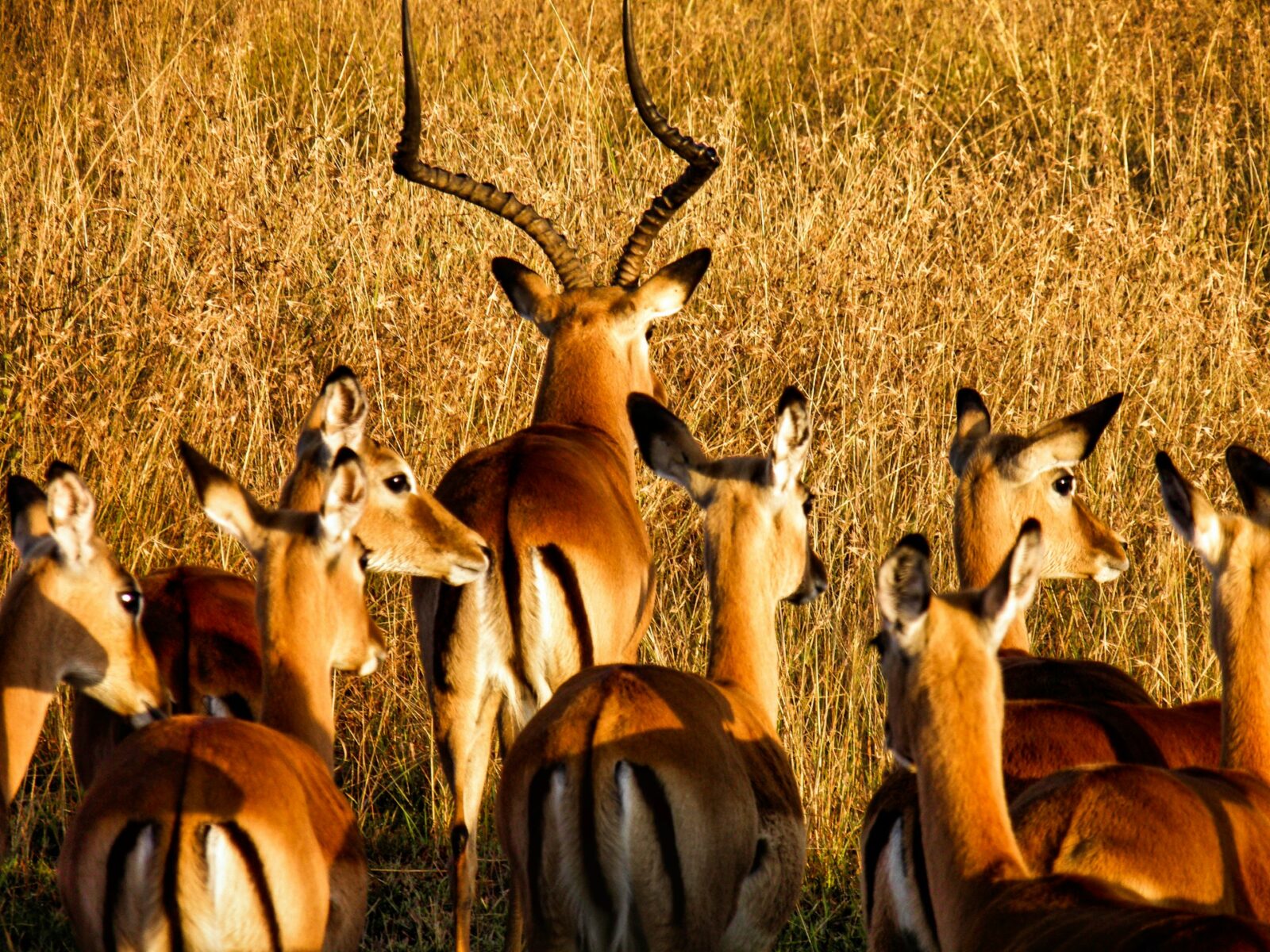
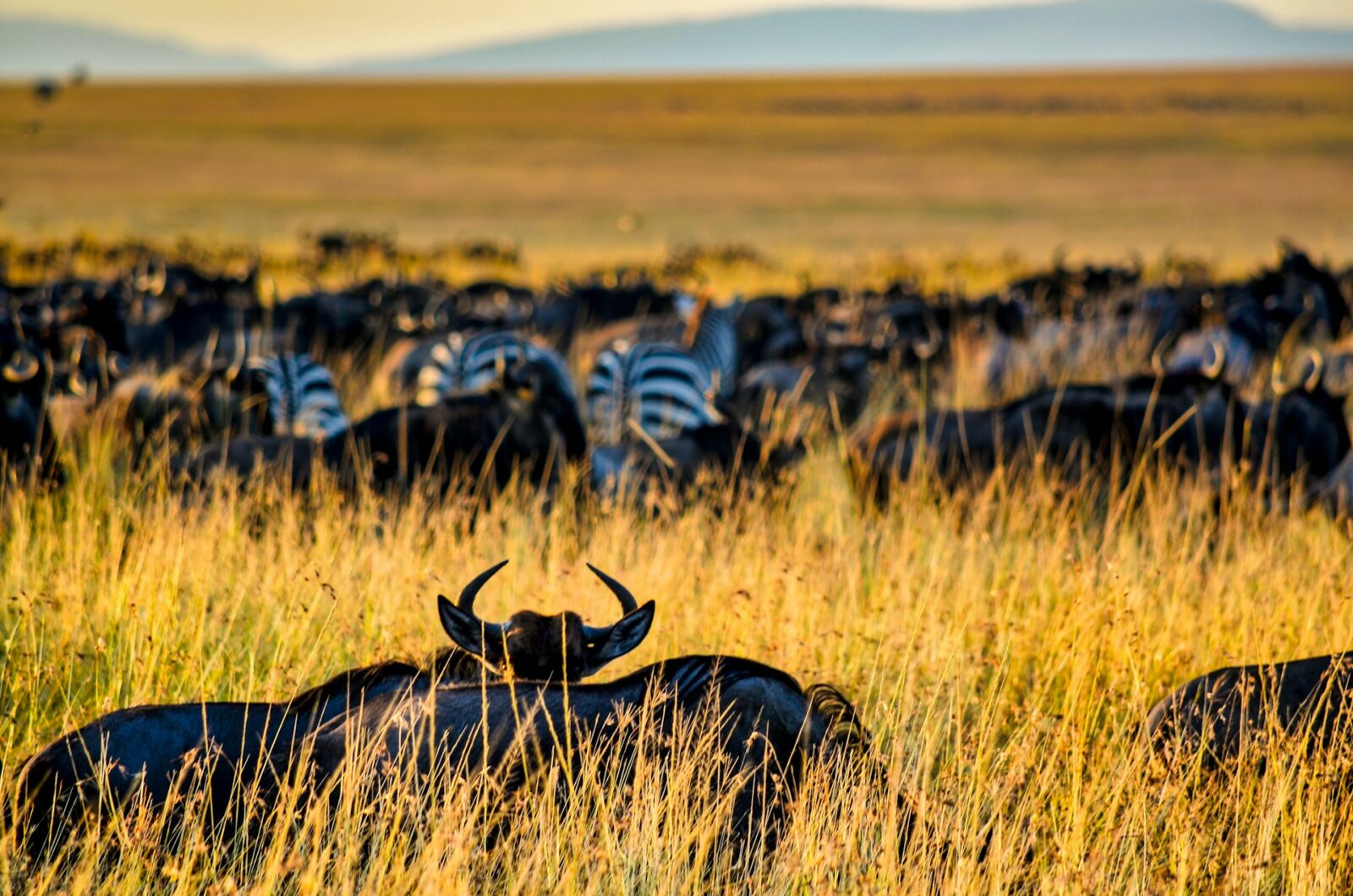
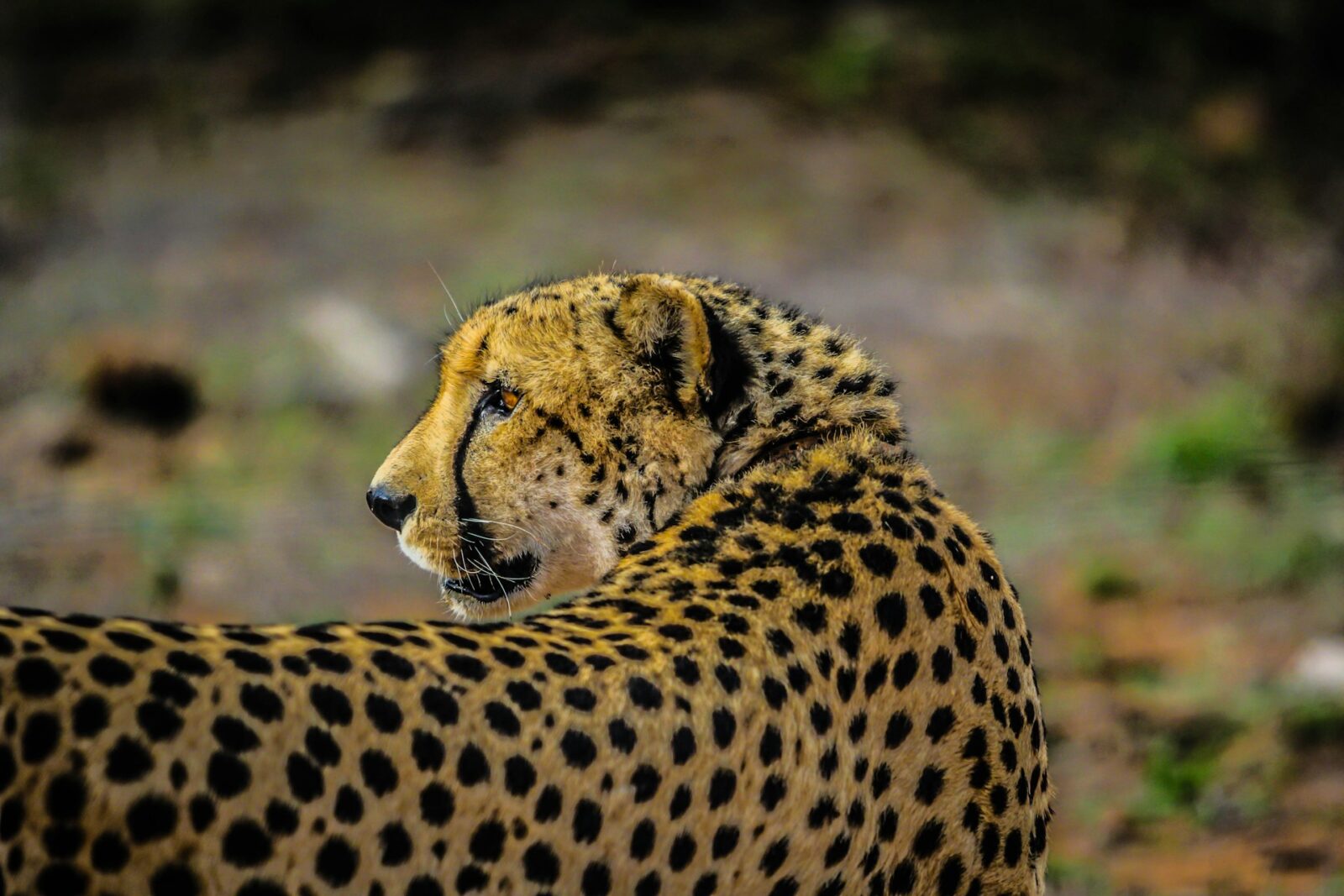
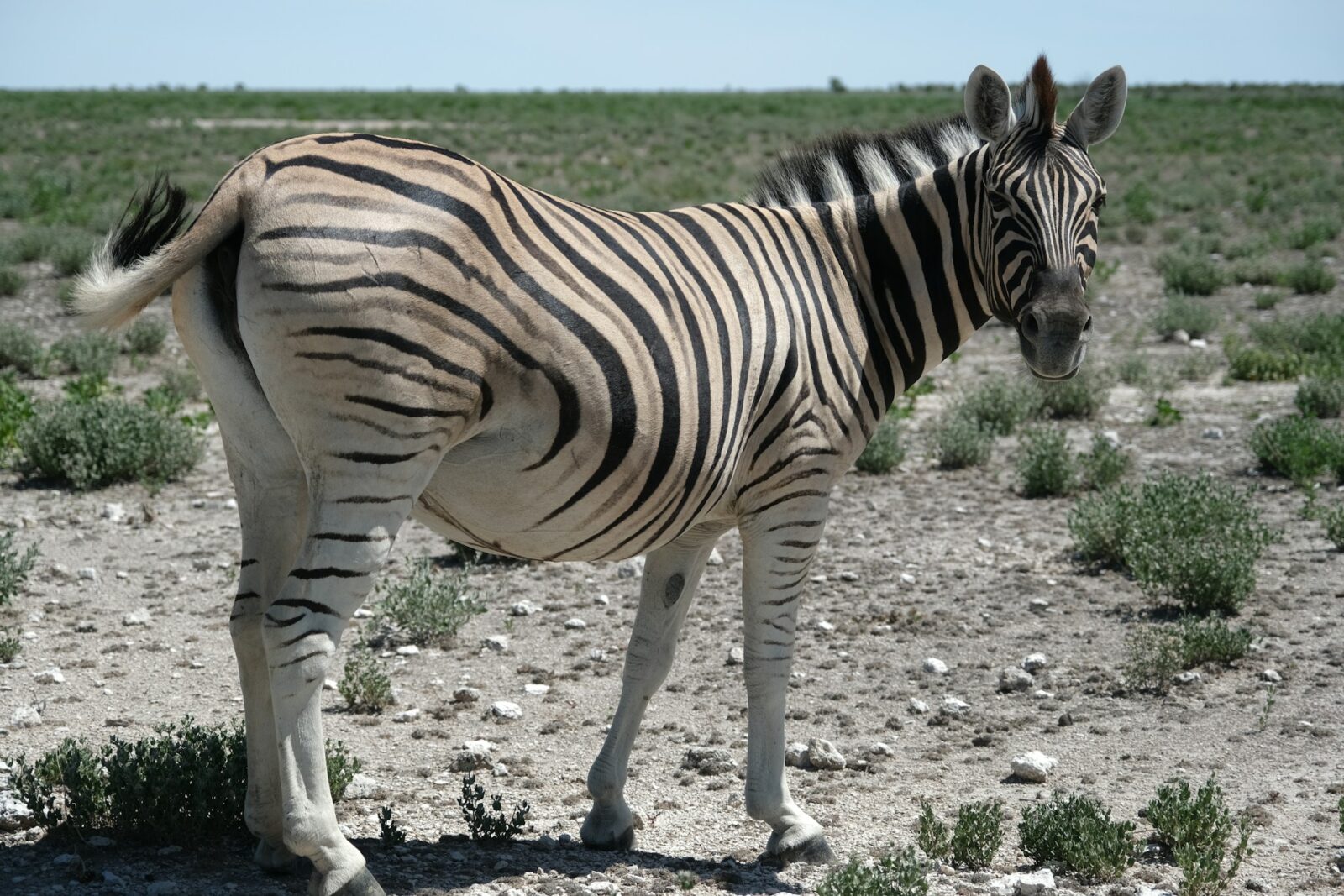
The unique ecological setting of Lake Nakuru National Park creates an ideal environment for various animal species. Among the most notable are the white and black rhinos, which have been successfully reintroduced into the park. These magnificent creatures can often be spotted grazing in the grasslands or wandering near the lake's shores. In addition to rhinos, the park is also home to numerous herbivores, including buffalo, giraffes, zebras, and antelopes, which thrive in the diverse habitats provided by the park's flora. This abundance of herbivores, in turn, attracts a variety of predators, including lions, leopards, and hyenas, creating a vibrant and dynamic food chain.
In addition to its charismatic megafauna, Lake Nakuru National Park is also a haven for birdwatchers. The park's diverse habitats support a wealth of avian life, ranging from the iconic flamingos to numerous raptors and waterbirds. The varied elevations and ecosystems within the park allow for diverse bird species to thrive, making it a hotspot for birdwatching enthusiasts. The captivating songs and vibrant colors of the birds add to the park's allure, providing visitors with endless opportunities for wildlife observation and photography.
The Famous Pink Flamingos of Lake Nakuru
One of the most iconic attractions of Lake Nakuru National Park is its stunning population of pink flamingos. These elegant birds are famous for their striking coloration, which is a result of their diet rich in algae and crustaceans found in the lake. The sight of thousands of flamingos flocking along the shores of Lake Nakuru is a breathtaking experience, as they create a mesmerizing display of pink hues against the backdrop of the sparkling blue waters. This phenomenon draws visitors from around the world, eager to witness the beauty of these graceful birds in their natural habitat.
The flamingos are not only visually captivating but also play a vital role in the park's ecosystem. Their feeding habits help to maintain the health of the lake's waters by controlling algae growth. The presence of flamingos in the park is also an indicator of the overall biodiversity and ecological balance within the area. As the lake's water levels fluctuate due to seasonal changes, the flamingo population adapts accordingly, demonstrating their resilience and the interconnectedness of the park's ecosystems.
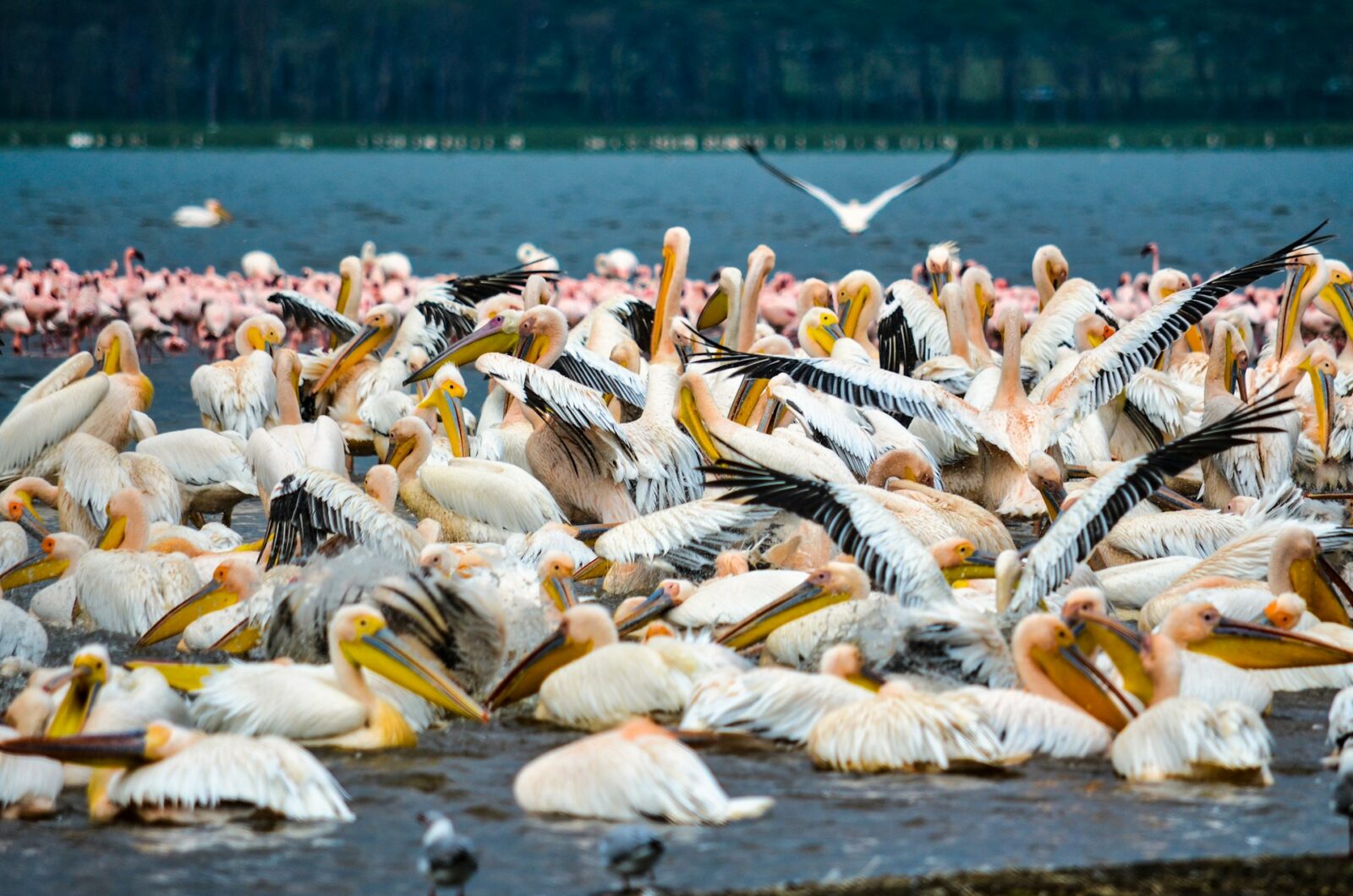
While the pink flamingos are the stars of Lake Nakuru, visitors may also encounter other bird species that inhabit the area. The park is home to a variety of waterfowl, such as pelicans and ducks, which can often be seen diving into the lake for food. Additionally, the park's diverse habitats support numerous raptor species, making it an excellent location for birdwatching. The combination of flamingos and other avian life creates a rich tapestry of biodiversity that captivates nature lovers and photographers alike.
Other Wildlife Species Found in the Park
Beyond the famous flamingos, Lake Nakuru National Park is teeming with a diverse array of wildlife that enchants visitors. The park is particularly known for its successful conservation efforts for endangered species. The black rhino population, once on the brink of extinction, has been carefully managed within the park's boundaries. Conservation initiatives have allowed these majestic creatures to thrive, and visitors have the chance to see them up close in their natural habitat. The sight of a black rhino grazing peacefully in the grasslands is a highlight for many travelers.
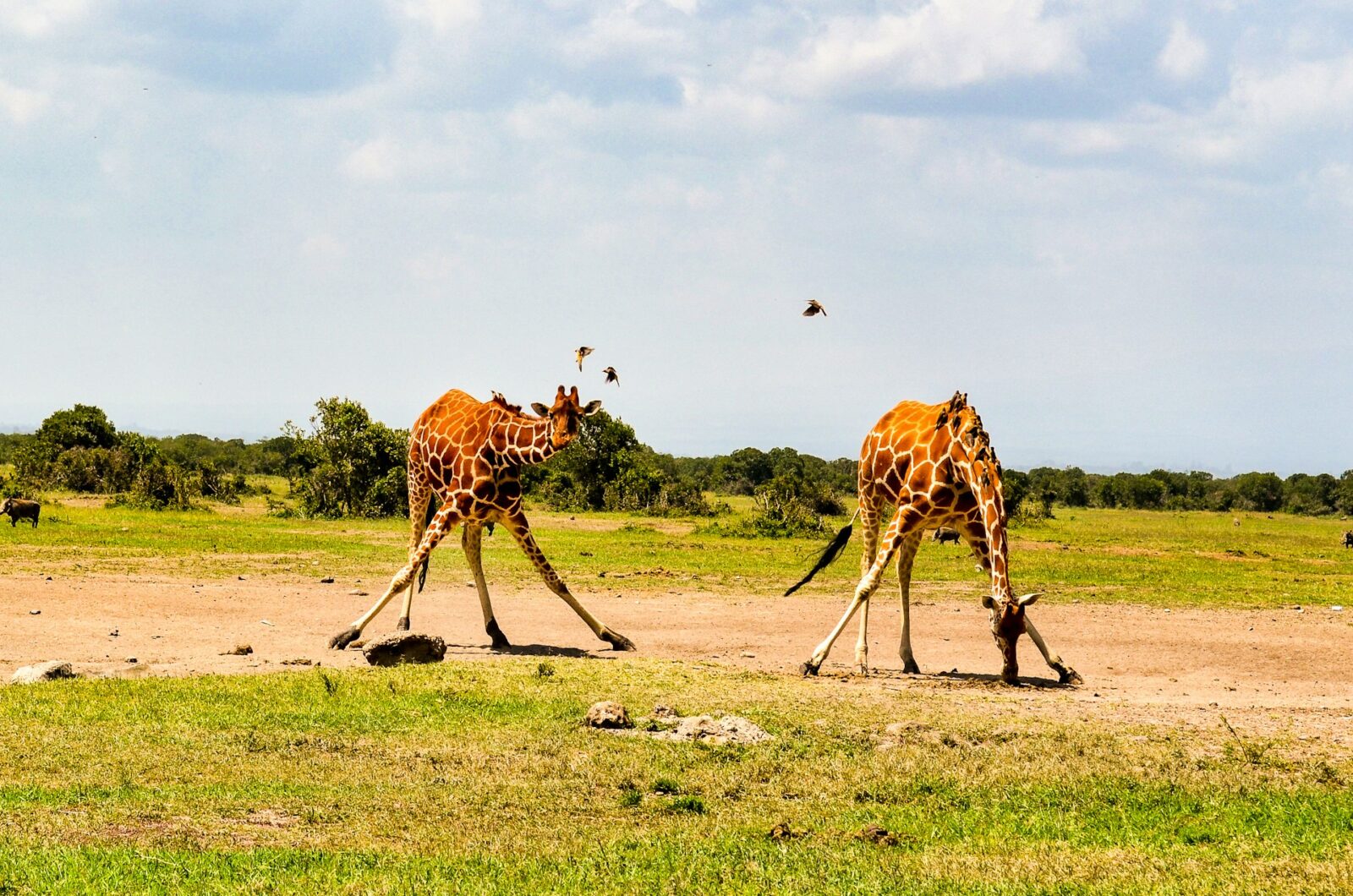
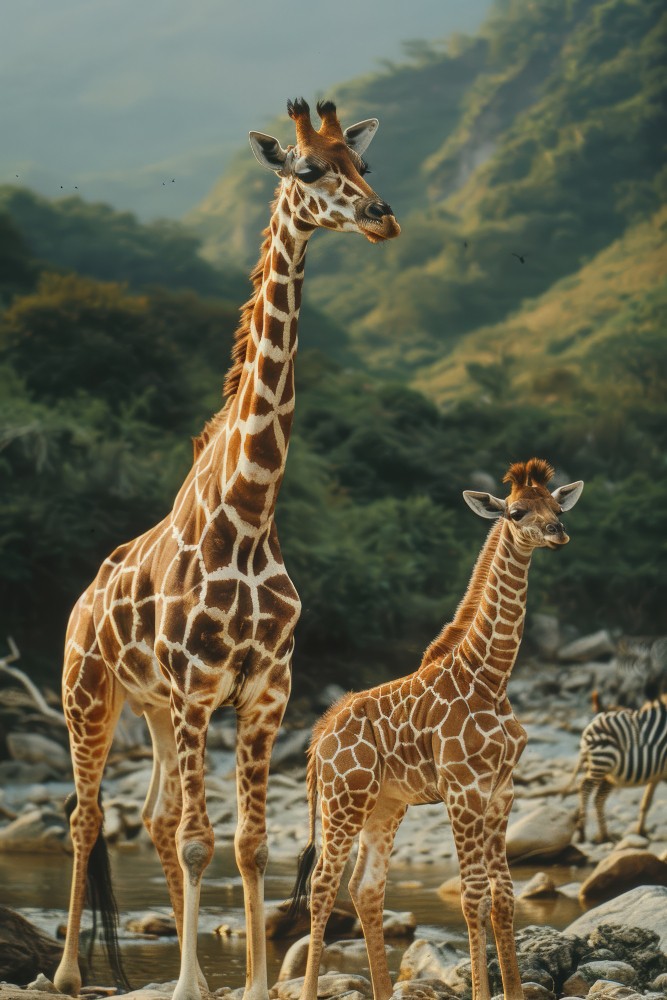
In addition to rhinos, Lake Nakuru is home to a variety of mammals that contribute to the park's ecological diversity. Among them are the iconic African lions, which roam the savannah in search of prey. These apex predators often hunt in prides, providing an exhilarating experience for those fortunate enough to witness a hunt. The park also hosts herds of buffalo, which are frequently spotted near the water's edge, as well as elegant giraffes that can be seen browsing on treetops. The presence of these animals adds to the park's allure and makes it a prime location for wildlife photography.
Birdlife is not the only focus of wildlife enthusiasts visiting the park. Lake Nakuru National Park is also a habitat for various reptiles and amphibians. Visitors may spot Nile crocodiles basking in the sun along the shores of the lake, as well as different species of snakes and lizards. The park's wetlands are home to numerous frogs and toads, adding to the ecological diversity. This combination of mammals, birds, reptiles, and amphibians creates a vibrant ecosystem that showcases the importance of preserving such habitats for future generations.
Activities and Attractions in Lake Nakuru National Park
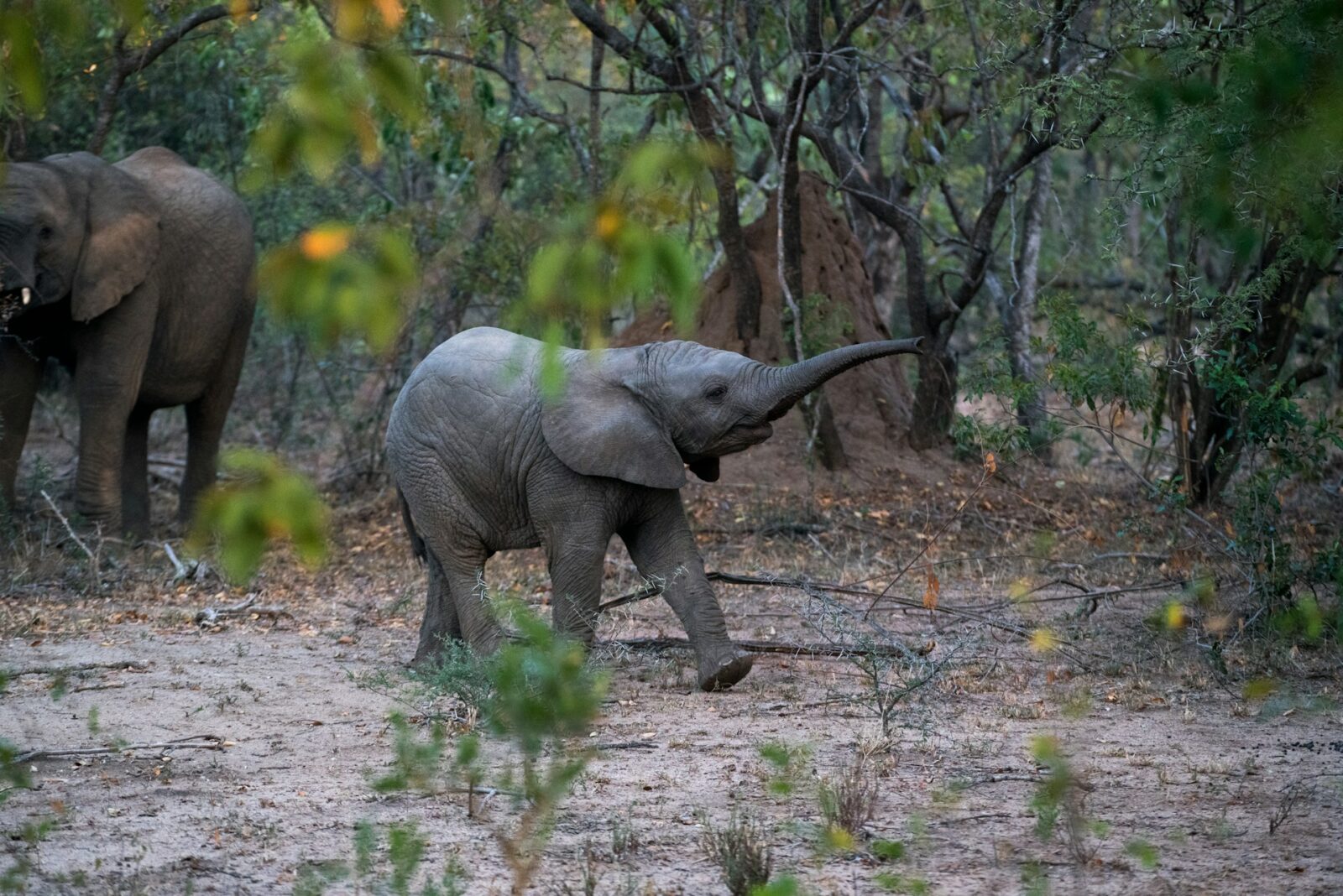
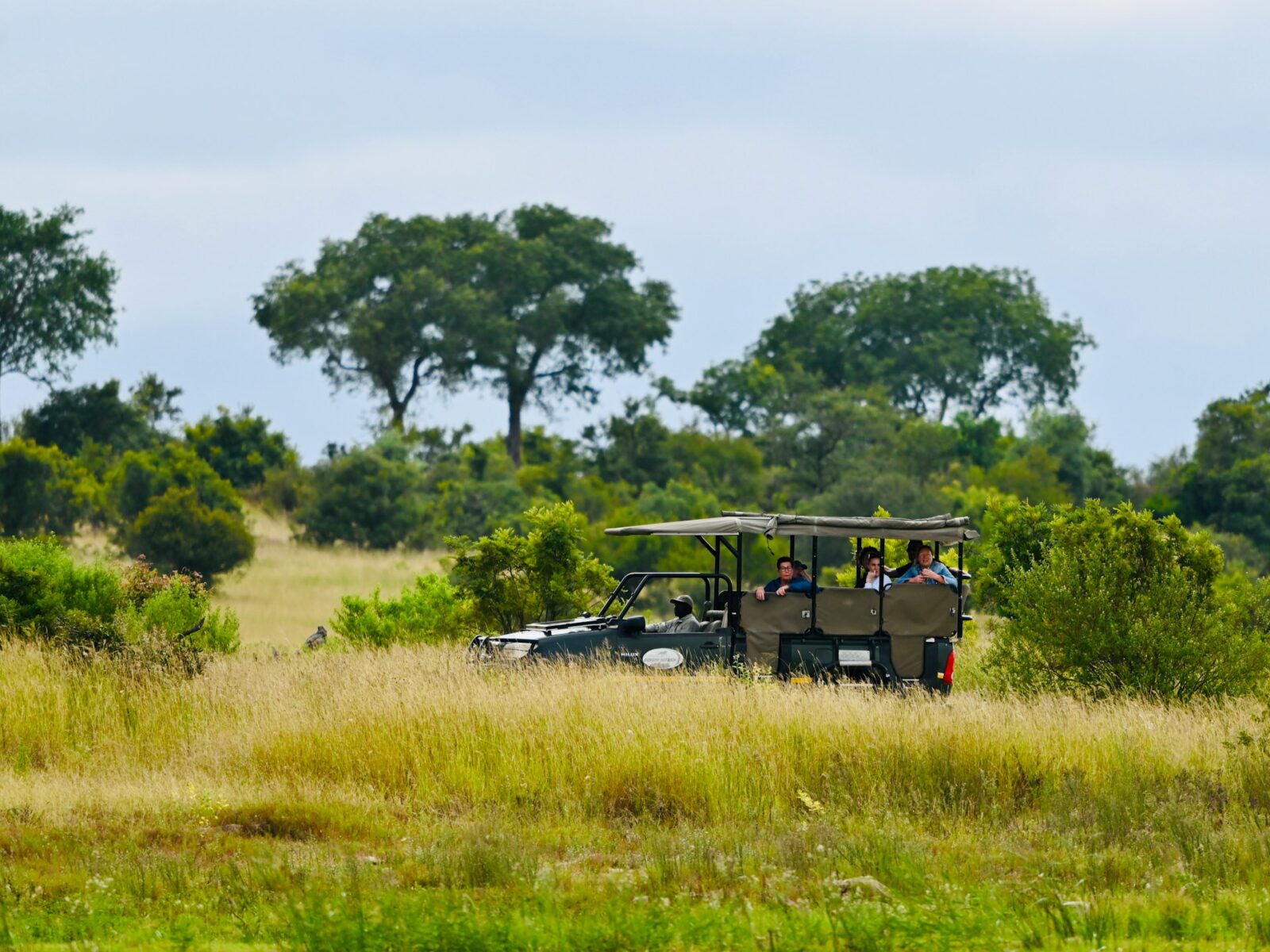
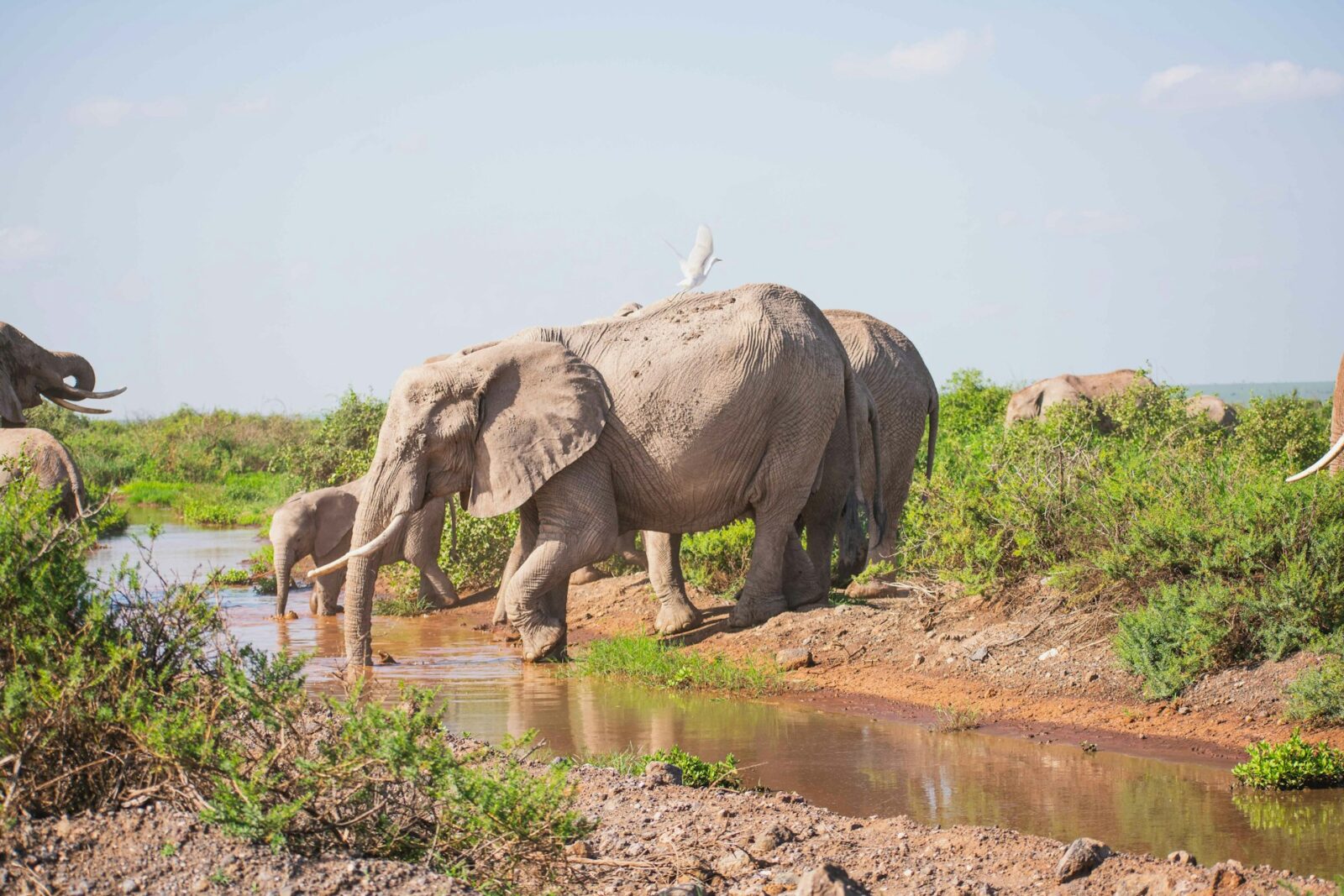
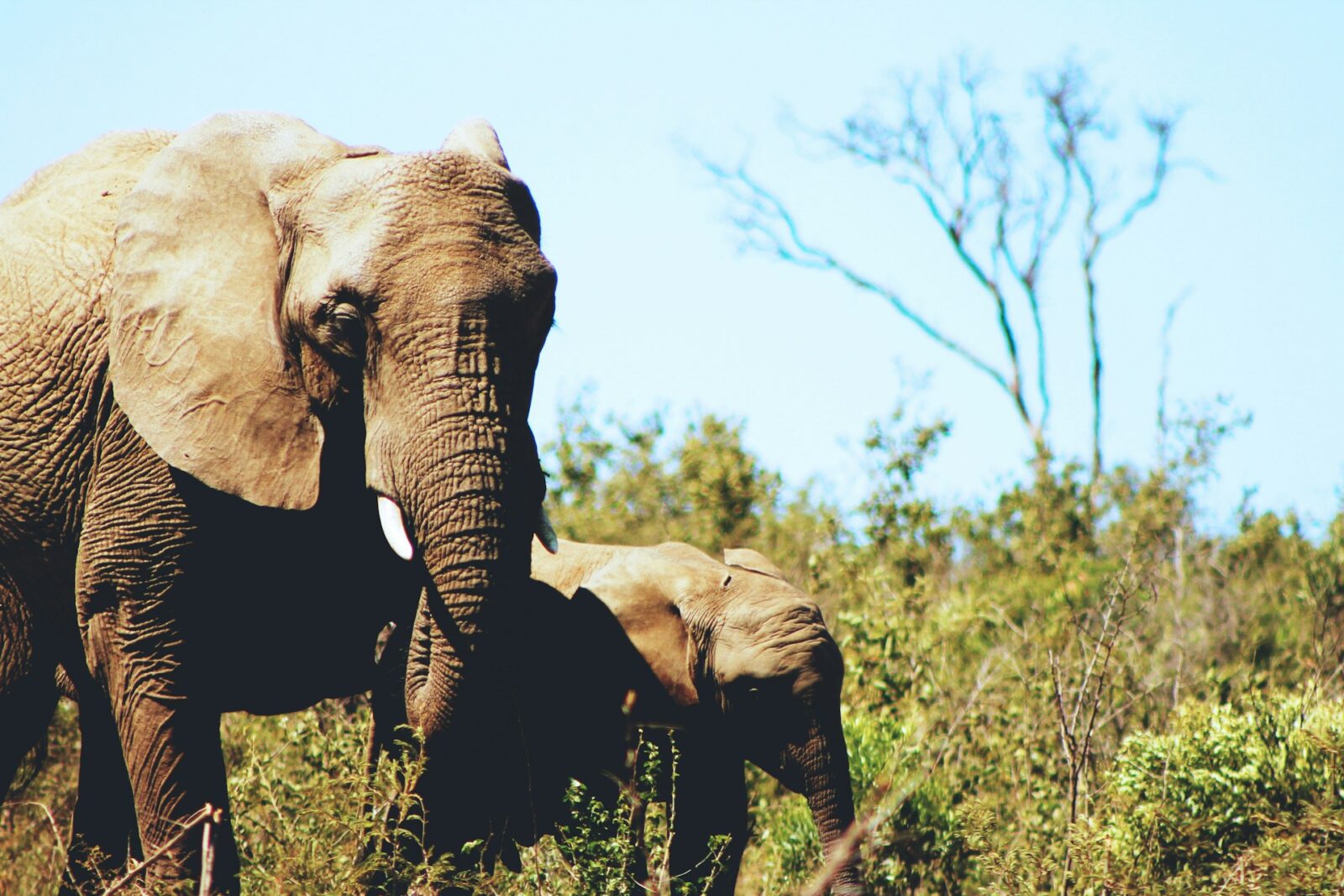
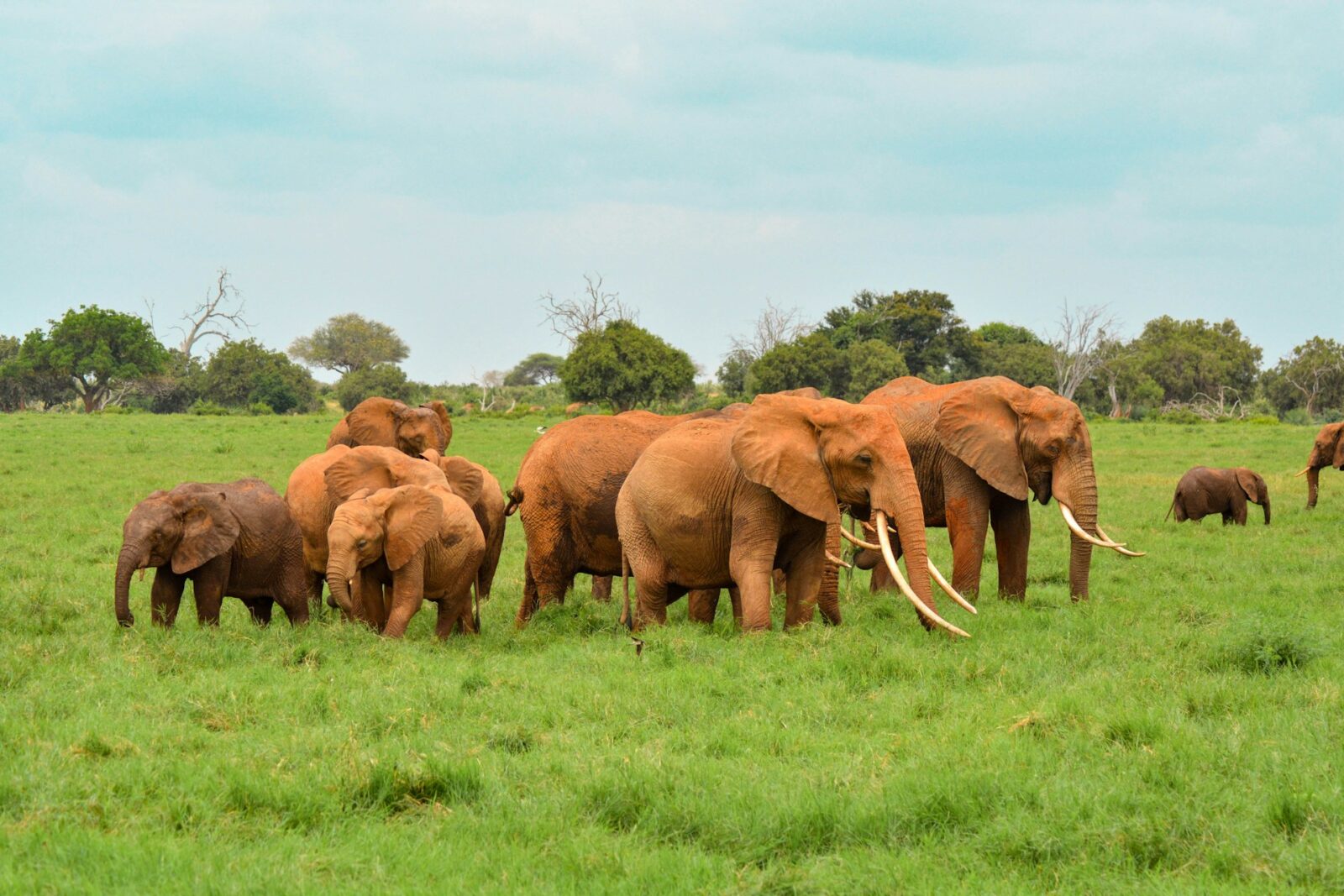
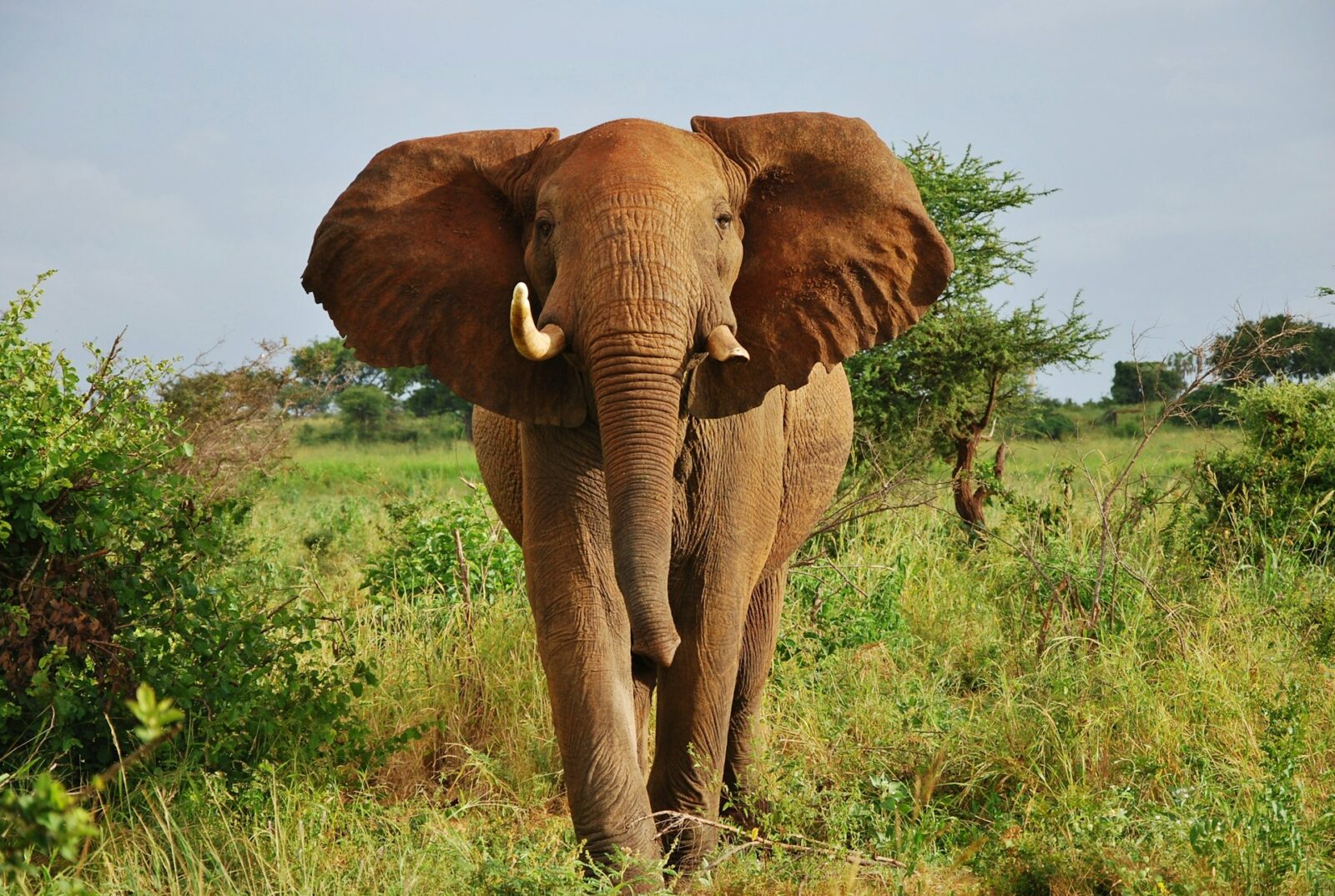
Lake Nakuru National Park offers a plethora of activities and attractions that cater to different interests and preferences. One of the most popular activities is game driving, which allows visitors to explore the park in search of its diverse wildlife. Well-maintained roads meander through the park, providing access to prime viewing areas where travelers can observe animals in their natural environment. The thrill of spotting a lion lounging in the shade or a herd of elephants crossing the savannah makes every safari adventure unforgettable.
Birdwatching enthusiasts will find paradise in Lake Nakuru, as the park is home to an incredible variety of bird species. Guided birdwatching tours are available, allowing visitors to learn about the different species and their behaviors while enjoying the stunning scenery. The park's wetlands and lakeshores provide ideal viewing points for spotting flamingos, pelicans, and countless other birds. Whether you're a seasoned birdwatcher or a casual observer, the chance to witness such avian diversity is a highlight of any visit.
For those seeking a more immersive experience, guided nature walks and hikes are available within the park. These excursions allow visitors to explore the flora and fauna up close while learning about the park's ecosystems from knowledgeable guides. Walking through the lush woodlands and along the shores of the lake provides a unique perspective on the park's beauty and biodiversity. Additionally, photography enthusiasts will find endless opportunities to capture the stunning landscapes and vibrant wildlife that define Lake Nakuru National Park.
Best Time to Visit Lake Nakuru National Park
Choosing the right time to visit Lake Nakuru National Park can significantly enhance your experience. The park is open year-round, but the best time to visit generally falls between June and October, coinciding with the dry season. During this period, wildlife is more concentrated around the water sources, making it easier to spot animals. The vegetation is also less dense, improving visibility for game drives and wildlife observation. The dry season is particularly popular for photographers, as the clear skies and vibrant landscapes create the perfect backdrop for capturing stunning images.
Another excellent time to visit is during the short rainy season, which occurs from late March to May. Although the rains can make some roads challenging, this period brings lush greenery and rejuvenation to the park's ecosystems. The arrival of migratory birds during this time adds to the park's avian diversity, offering birdwatchers the chance to see species that may not be present during the dry season. The refreshing landscapes after the rains create a picturesque setting for hikes and nature walks.
While the peak tourist seasons offer excellent wildlife viewing opportunities, visitors seeking a more tranquil experience may consider visiting during the shoulder seasons, such as November to February. During these months, the park is less crowded, providing a more intimate connection with nature. The weather is generally mild, and the wildlife remains active, making it an ideal time for those looking to explore the park without the hustle and bustle of peak season crowds.
Accommodation Options Near the Park
When planning a visit to Lake Nakuru National Park, choosing the right accommodation can enhance your overall experience. There are various options available, ranging from budget-friendly lodges to luxury tented camps. Staying within or near the park allows for easy access to the wildlife and attractions, making it convenient for early morning game drives or late-afternoon explorations.
For those seeking a touch of luxury, several upscale lodges offer stunning views of the park and the lake. These lodges often feature modern amenities, fine dining, and guided safari experiences to ensure a comfortable and memorable stay. The combination of luxury and proximity to nature provides an ideal setting for relaxation after a day of adventure. Visitors can unwind on their private balconies while enjoying breathtaking sunsets over the lake.
Budget travelers will also find suitable options around the park, including guesthouses and campsites. These accommodations offer a more rustic experience, allowing guests to connect with nature while still providing essential comforts. Many budget-friendly options are located just outside the park, making it easy to access the attractions while enjoying a more affordable stay. Regardless of your budget, Lake Nakuru National Park has accommodations to suit every traveler's needs.
Safety and Conservation Efforts in the Park
Safety is a top priority for both visitors and wildlife in Lake Nakuru National Park. The park is managed by the Kenya Wildlife Service, which implements strict regulations to ensure the protection of its diverse ecosystems. Visitors are encouraged to follow park guidelines and respect wildlife by maintaining a safe distance and not feeding the animals. Additionally, the park has designated areas for game drives, helping to minimize human impact on the environment while maximizing wildlife viewing opportunities.
Conservation efforts in Lake Nakuru National Park have proven successful, particularly regarding the protection of endangered species. The reintroduction of black rhinos and ongoing anti-poaching initiatives have contributed to the park's reputation as a conservation success story. Collaborations with local communities and conservation organizations help raise awareness and support for wildlife protection, fostering a sense of stewardship for the natural environment.
The park's commitment to conservation extends to its ecosystems as well. Ongoing research and monitoring programs aim to understand the dynamics of the park's flora and fauna, ensuring that conservation strategies remain effective. Visitors to Lake Nakuru National Park can contribute to these efforts by supporting eco-friendly tourism practices and engaging in responsible wildlife viewing. By prioritizing conservation, everyone can play a role in preserving the beauty and biodiversity of this hidden gem.
Conclusion: Why Lake Nakuru National Park Should Be on Your Travel Bucket List
In conclusion, Lake Nakuru National Park stands out as a premier destination for anyone seeking to experience the beauty of Kenya's natural landscapes and wildlife. With its stunning geographical features, diverse ecosystems, and abundant wildlife, the park offers an unforgettable experience for nature lovers and adventure seekers alike. The mesmerizing sight of thousands of flamingos, the thrill of spotting endangered species, and the opportunity to immerse oneself in the breathtaking scenery make Lake Nakuru a true hidden gem.
The park's commitment to conservation and responsible tourism ensures that future generations can continue to enjoy its wonders. By visiting Lake Nakuru National Park, travelers not only contribute to local economies but also support vital conservation efforts that protect the incredible biodiversity found within its borders. The chance to witness the delicate balance of nature while enjoying a plethora of activities makes this destination a must-visit for anyone traveling to Kenya.
Whether you're an avid wildlife photographer, a passionate birdwatcher, or simply someone seeking a unique travel experience, Lake Nakuru National Park has something to offer everyone. The memories created in this stunning haven will last a lifetime, making it a worthy addition to your travel bucket list. So pack your bags, prepare your senses for adventure, and get ready to discover the enchanting beauty of Lake Nakuru National Park.